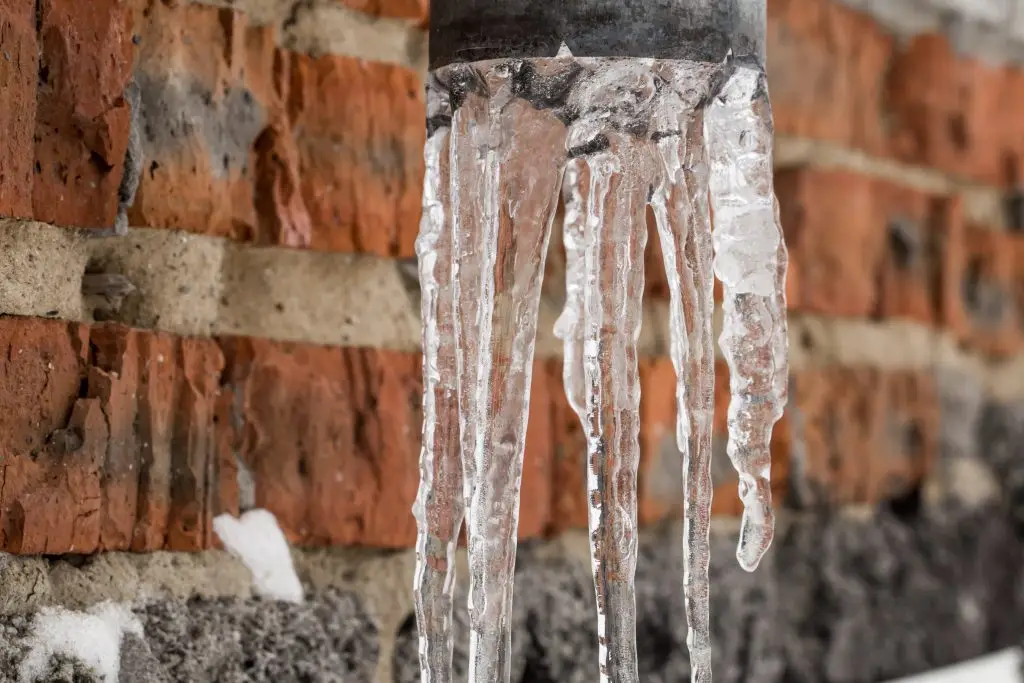
When it gets really cold outside, the chances of a pipe freezing in your home greatly increases.
Burst pipes are a top cause of property damage during frigid weather. They can easily leave behind $5,000 or more in water damage. The good news is, there are ways you can prevent a frozen pipe disaster in your home.
Protecting Pipes from Cold
The first step is to insulate your pipes to keep them warm. This is key if pipes are in unheated areas such as basements, attics, and garages. Pipes running through cabinets or exterior walls are also at risk. Pipes commonly freeze at temperatures of 20 degrees and below. Protect vulnerable pipes with a good amount of insulation.
Tips to Stop the Freeze
Homeowners can take some steps to prevent frozen pipes. Leave garage doors closed. Open kitchen and bathroom cabinet doors to let the heat get to pipes. Let water drip from a faucet to prevent freezing. Keep the heat in your home at a consistent temperature. If you’re going away, set it no lower than 55-degrees. Add insulation to attics, basements, and crawl spaces for extra warmth. Disconnect garden hoses and put them away for winter. Shut off and drain valves that supply outdoor faucets.
Thawing Frozen Pipes
Pipes commonly freeze when temperatures quickly drop, the insulation is poor, and thermostats are set too low. Here’s how to unthaw a frozen pipe.
If no pipes have burst, turn on the faucet. Running water will help melt the ice plug. Heat the frozen pipe with a heating pad, blow dryer, or portable space heater. You can also wrap it in heat tape, heat cables, or towels soaked in hot water. Apply heat until water pressure is back. Make sure any electrical device you use doesn’t touch water.
What to Do if a Pipe Bursts
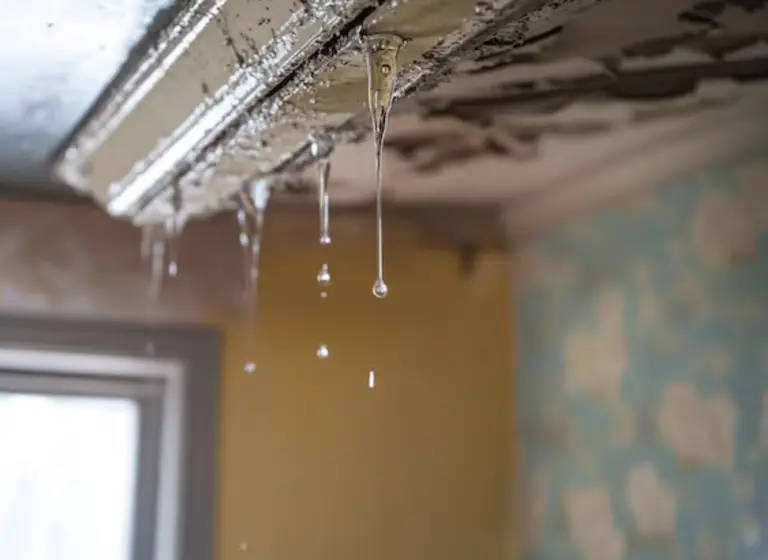
If you notice a large wet spot on your wall, it’s likely a pipe has burst. Increased water bills, water discoloration, inconsistent water flow, and mold are other tell-tale signs. Here’s how to handle a broken pipe in your home.
- Turn off the water supply to prevent further damage. The valve is usually located in the basement, a crawl space, or near your water heater. If the leak is significant, turn off the electricity.
- Drain faucets. This will prevent them from refreezing. Flush the toilets to relieve pressure. Turn off the water heater. Leave faucets and taps open so pressure can’t build up.
- Find the leak. Search your house. Look for bulging ceilings and floors, or water stains in your walls. If you find a drip, place a bucket underneath to catch the water.
- Call a Pro. Contact a licensed plumber as soon as possible.
How to Clean Up the Mess
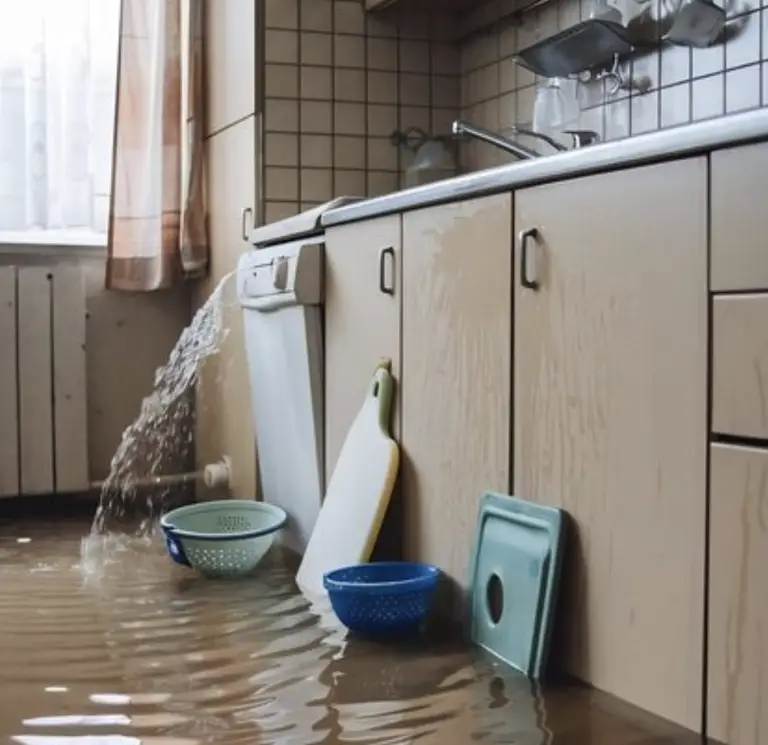
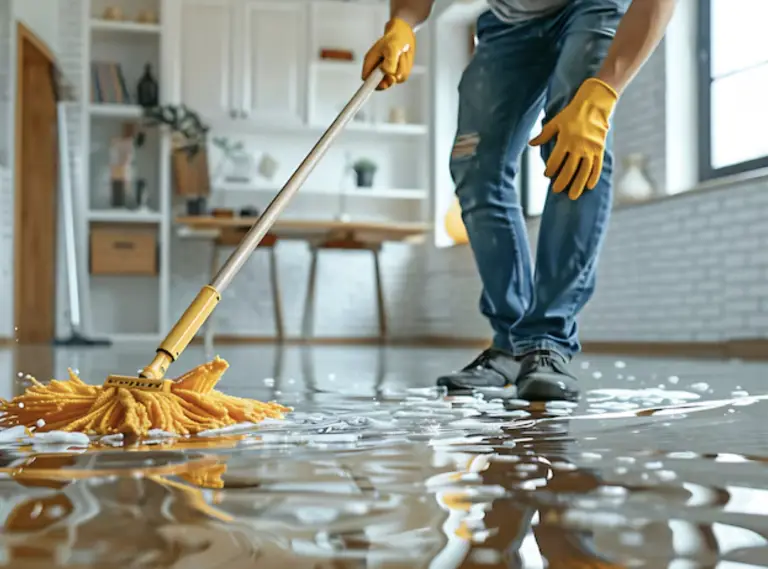
Turn off the electricity. Remove carpet, furniture, and anything else you can from the affected area. Soak up the water with old towels, mops, and buckets. If a burst pipe leaves behind a few inches or more of water, use a submersible pump or wet/dry vac. Once it’s removed, open windows, and set up fans and space heaters to help dry the area. If it’s too much to handle, call in a professional service.
Need Help With Clean Up?
When it comes to water, flood, or fire damage, Flood Department is here to help. We provide water damage repair and clean up services for homeowners and businesses. We cover Maryland, Pennsylvania, Virginia, West Virginia, and Washington, D.C. We are dedicated to helping reverse the unfortunate results. Contact us at 301-829-2600 or visit us online.