Flood Damage Remediation in Maryland
- IICRC Certified
- 24/7/365 Response
- Insurance Billing
- Since 2009
Get A Free Quote
Flood Damage Remediation in Maryland | Flood Department
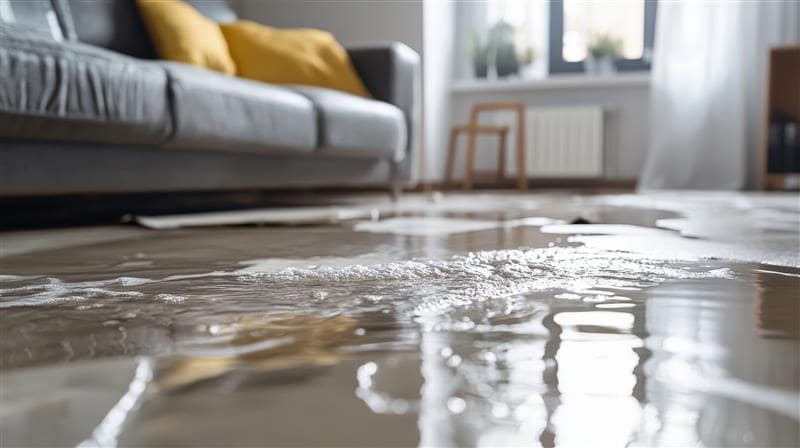
Flood events are among the most destructive and emotionally overwhelming experiences a property owner can face. Whether from a severe storm, a rising river, a failed drainage system, or a sewage backup, flood damage requires immediate, expert remediation by trained professionals. Flood Department provides comprehensive flood damage remediation services throughout Frederick, Montgomery, Howard, Baltimore, and Carroll Counties, Maryland. We are on call 24 hours a day, 365 days a year — because floods do not respect business hours.
Types of Flooding We Remediate
Flood Department responds to all categories of flood events, including:
Storm flooding
heavy rainfall, flash floods, and storm surges that overwhelm drainage systems and enter homes through windows, doors, foundation cracks, and basement walls
River and surface flooding
rising water from nearby waterways during prolonged rainfall or snowmelt events, common across our service area in Frederick and Carroll Counties
Sewage backup and sewer surcharges
municipal sewer systems overwhelmed by heavy rain can push sewage backward into basement floor drains and first-floor plumbing, creating Category 3 (highly contaminated) water damage
Groundwater intrusion
hydrostatic pressure from saturated soil forces water through foundation walls, floor joints, and slab cracks
Failed sump pumps and drainage systems
a pump that fails during a heavy rain event can allow hundreds or thousands of gallons to accumulate in a basement within hours
Understanding Water Damage Categories
Not all water is the same. The IICRC classifies water damage into three categories that determine how cleanup and remediation must be handled:
Category 1 (Clean Water)
Water originating from a sanitary source such as a supply line, pipe burst, or clean overflow. Poses minimal health risk but still causes significant structural damage if not addressed quickly.
Category 2 (Gray Water)
Water with significant contamination that could cause illness upon ingestion or skin contact. Sources include washing machine overflow, dishwasher discharge, and some storm water. Requires antimicrobial treatment and careful handling.
Category 3 (Black Water)
Highly contaminated water that is presumed unsafe and poses serious health hazards. Sources include sewage backups, toilet waste overflow, flooding from rivers and streams, and any water that has been standing long enough to support bacterial growth. Requires full PPE, strict containment, and antimicrobial remediation protocols.
Full Flood Remediation Process
Emergency response and safety assessment
technicians arrive, assess hazards, identify water category, and establish a safe work environment.
Water extraction
removal of all standing water using truck-mounted pumps, submersible units, and portable extractors.
Contaminated material removal
for Category 2 and 3 losses, porous materials including drywall, insulation, carpet, and padding that cannot be adequately cleaned are removed and properly disposed of.
Antimicrobial treatment
affected surfaces are treated with EPA-registered disinfectants appropriate to the category of contamination.
Structural drying and dehumidification
industrial air movers and dehumidifiers are deployed and monitored daily until drying goals are met.
Final moisture verification
all materials are tested to confirm drying is complete before remediation is closed out.
Insurance documentation
a complete file including photos, moisture logs, equipment records, and scope of work is prepared for your insurer.
Contaminated Water Handling
Sewage and Category 3 flood water require special handling. Flood Department technicians use full PPE, establish containment zones to prevent cross-contamination of clean areas, and follow strict disposal protocols for contaminated materials. The property is not declared safe until antimicrobial treatment has been completed and clearance standards are met.

Insurance Documentation
Flood Department provides thorough, insurance-ready documentation from day one, including photo evidence, moisture mapping, equipment logs, and a detailed scope of work aligned with Xactimate pricing standards. We work directly with your adjuster to support a well-documented, fair claim settlement.
Related Water Services
Water Damage Restoration
Full-service water damage restoration across central Maryland.
Water Mitigation Services
Emergency mitigation to stop water damage from spreading.
Emergency Water Extraction
24/7 emergency water removal with professional extraction equipment.
Structural Drying Services
Industrial air movers and dehumidifiers dry structures to IICRC standards.
Service Areas
Restoration services throughout five Maryland counties.
Contact Us
Available Now
Frequently Asked Questions
What is Category 3 water damage?
Category 3, commonly called "black water," is highly contaminated water that poses significant health risks. Sources include raw sewage backups, toilet waste overflows, flooding from rivers and streams, and water that has been standing long enough for bacterial growth. Category 3 events require full personal protective equipment, strict containment, antimicrobial treatment, and removal of all porous materials that cannot be properly decontaminated.
Is flood damage covered by homeowner's insurance?
Standard homeowners insurance policies typically do not cover flooding from external sources such as rising rivers or storm surge. This type of flood damage requires a separate flood insurance policy, available through the National Flood Insurance Program (NFIP) or private insurers. However, sudden and accidental water events originating inside the home — such as pipe bursts or appliance overflows — are typically covered under standard policies.
How long does flood damage remediation take?
Timeline depends heavily on the category of water, the scope of damage, and the extent of material removal required. A Category 1 residential flood in one room might complete remediation in 4 to 7 days. A Category 3 basement sewage event involving extensive material removal and antimicrobial treatment may take 10 to 21 days before the structure is ready for reconstruction. We provide a project timeline estimate after our initial assessment.
Can flood-damaged flooring be saved?
It depends on the material and the category of water. Ceramic and porcelain tile can often be cleaned and dried successfully if the subfloor beneath is properly dried. Hardwood flooring may be salvageable with aggressive drying if addressed quickly, but cupping, buckling, and warping often make replacement necessary. Carpet and padding exposed to Category 2 or 3 water are almost always removed, as thorough decontamination of carpet fiber is not practically achievable.
What is sewage backup cleanup and is it dangerous?
Sewage backup cleanup is the process of safely removing, decontaminating, and drying a space that has been exposed to raw sewage or Category 3 contaminated water. It is inherently hazardous — sewage contains bacteria, viruses, and parasites that pose serious health risks through contact or inhalation. Flood Department technicians perform sewage cleanup in full PPE, establish containment zones, remove contaminated porous materials, and apply EPA-registered antimicrobial agents. This work should never be attempted by untrained individuals.
What Our Customer Reviews Say
Real reviews from Maryland homeowners and businesses who trusted Flood Department with their restoration.
Years serving Maryland homeowners and businesses since July 2009.
24/7
Emergency response every day of the year — nights, weekends, and holidays.
Cities and communities served across central Maryland from two local offices.
IICRC
Certified technicians trained and tested to the highest industry standards.
Don't Wait — Call Flood Department Now.
Flood damage is an emergency. Call Flood Department right now: (301) 829-2600. Available 24/7/365 — IICRC-certified — direct insurance billing — serving all of central Maryland. Our certified technicians are standing by right now across Frederick, Montgomery, Howard, Baltimore, and Carroll County.
contactus@flooddept.com | Available 24/7/365