Fire Damage Cleanup & Repair in Maryland
- IICRC Certified
- 24/7/365 Response
- Insurance Billing
- Since 2009
Get A Free Quote
Fire Damage Cleanup & Repair in Maryland | Flood Department
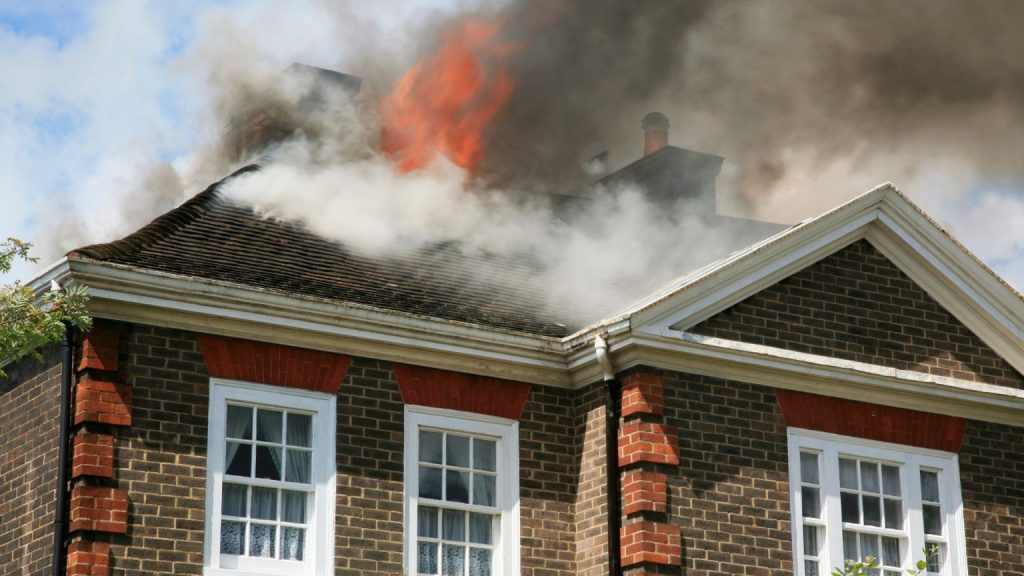
Fire leaves behind far more than burned materials. Structural components are weakened, smoke residue penetrates deep into drywall and framing, and soot coats every surface. Flood Department’s fire damage cleanup and repair services address the full scope of physical fire damage — from emergency debris removal and structural assessment to soot cleaning, odor elimination, and coordinated reconstruction. Serving Frederick, Montgomery, Howard, Baltimore, and Carroll Counties, our IICRC-certified crews work with your insurance company directly, using Xactimate-aligned pricing to document every line item of damage and ensure your property is fully restored to its pre-loss condition.
Structural Fire Damage Assessment & Cleanup
Before any cleaning begins, our team conducts a thorough structural assessment to identify load-bearing components, compromised framing, weakened subflooring, and areas where heat has damaged building materials. Charred wood, burned insulation, melted wiring components, and fire-damaged drywall are carefully removed and safely disposed of following Maryland environmental guidelines. This phase clears the way for proper cleaning and eventual reconstruction. Our structural cleanup process includes full structural inspection with documented photo and written report; removal and disposal of charred and burned materials; demo of compromised drywall, insulation, flooring, and cabinetry; and emergency shoring or bracing where structural stability is at risk.
Types of Smoke Residue & How We Clean Each One
Not all soot is the same. The cleaning method must match the type of residue, or damage can be made worse. Flood Department's technicians identify and treat all four major types:
Dry smoke residue
from fast-burning, high-temperature fires. Powdery, easier to vacuum but can smear if wiped incorrectly.
Wet smoke residue
from slow-burning, low-heat fires. Sticky, smear-prone, and strongly odorous. Requires chemical cleaning agents.
Protein residue
nearly invisible but extremely pungent. Results from burning food or organic material. Requires enzymatic cleaners.
Fuel/oil soot
from heating equipment or petroleum fires. Dense, black, and difficult to remove without specialized degreasers.
Soot Cleaning Process
Our soot removal process begins with dry methods — HEPA vacuuming surfaces to remove loose particles before any moisture is introduced. We then apply dry chemical sponges to lift residue from walls, ceilings, and flat surfaces without spreading it. Wet cleaning agents are applied for stubborn deposits. All surfaces are inspected after cleaning and retreated as necessary before deodorization begins.
Odor Neutralization
Embedded smoke odor is one of the most persistent challenges in fire restoration. Surface cleaning alone will not eliminate odor that has penetrated drywall, wood framing, or subfloor. We deploy thermal fogging — where a solvent-based deodorizer is vaporized to reach every surface smoke touched — combined with hydroxyl generators that chemically break down odor molecules without requiring the space to be vacated. This combination produces permanent odor elimination, not masking.
Working With Insurance Adjusters
We prepare detailed written scopes of work using Xactimate-aligned pricing — the same software your insurance adjuster uses — ensuring our estimates are recognized and accepted without unnecessary back-and-forth. Flood Department communicates directly with your adjuster and supplements claims where additional damage is discovered during cleanup, keeping your project moving without gaps in coverage.
Contents Pack-Out Explained
Salvageable items are inventoried, packed, and transported to our secure facility for professional cleaning. Contents are cleaned using ultrasonic equipment, ozone chambers, and specialty surface treatments depending on material type. Items are stored in climate-controlled conditions until your home is ready for their return. Every item is documented and photographed for insurance purposes.

Insurance Claims Support
Flood Department bills your insurance company directly. We document all damage thoroughly, prepare detailed Xactimate-aligned scopes, and communicate directly with your adjuster throughout the process. Our goal is to make sure no legitimate line item is missed so your property is fully restored. We serve policyholders across Maryland and are experienced working with all major insurance carriers.
Related Fire Services
Fire Damage Restoration
Full-service fire damage restoration across central Maryland.
Fire & Smoke Damage Cleanup
Professional smoke and soot cleanup with thermal fogging and HEPA air scrubbing.
Reconstruction
Full reconstruction after fire damage cleanup is complete.
Water Damage Restoration
Water damage restoration when firefighting leaves water behind.
Contact Us
Available Now
Frequently Asked Questions
What types of structural fire damage does Flood Department handle?
We handle all levels of structural fire damage, including burned and charred framing, weakened subflooring, compromised roofing, fire-damaged drywall and insulation, and heat-affected HVAC or utility components. We perform the full demo, clean, and rebuild process from a single point of contact.
How is soot safely removed from walls and ceilings?
We begin with dry HEPA vacuuming to remove loose particles, then apply dry chemical sponges to lift residue without smearing. Wet chemical cleaners are used for heavier deposits. The type of soot — dry, wet, protein, or oil — determines which methods and products are appropriate for each surface.
Can fire-damaged drywall be saved or does it need replacement?
Lightly smoke-affected drywall that has not been structurally compromised can sometimes be cleaned, sealed with an odor-blocking primer, and repainted. However, drywall that has been exposed to direct flame, is saturated with water from firefighting, or has sustained heavy soot penetration typically requires full replacement to eliminate odor and maintain air quality.
How do you permanently remove fire odor?
Permanent odor removal requires treating all surfaces the smoke reached, not just visible areas. We use thermal fogging to vaporize deodorizing agents into every space smoke penetrated, and hydroxyl generators to chemically neutralize odor molecules. These methods address embedded odor in drywall, wood framing, insulation, and building cavities — areas that surface cleaning cannot reach.
What is a contents pack-out and why is it needed?
A contents pack-out is the process of inventorying and removing salvageable belongings from a fire-damaged property to a secure cleaning facility. Pack-out is recommended when the home needs major work, when contents need specialized cleaning, or when items need climate-controlled storage during the restoration period. It protects your belongings and ensures they are cleaned properly by trained contents technicians.
What Our Customer Reviews Say
Real reviews from Maryland homeowners and businesses who trusted Flood Department with their restoration.
Years serving Maryland homeowners and businesses since July 2009.
24/7
Emergency response every day of the year — nights, weekends, and holidays.
Cities and communities served across central Maryland from two local offices.
IICRC
Certified technicians trained and tested to the highest industry standards.
Don't Wait — Call Flood Department Now.
Flood Department is available 24/7/365 across Maryland. For fire damage cleanup and repair in Frederick, Montgomery, Howard, Baltimore, or Carroll County, call (301) 829-2600 now. Our certified technicians are standing by right now across Frederick, Montgomery, Howard, Baltimore, and Carroll County.
contactus@flooddept.com | Available 24/7/365