Dehumidification in Maryland
- IICRC Certified
- 24/7/365 Response
- Insurance Billing
- Since 2009
Get A Free Quote
Commercial Dehumidification Services in Maryland | Flood Department
After water is extracted and structural drying begins, controlling the moisture in the air is critical to a successful restoration outcome. Flood Department deploys commercial-grade industrial dehumidifiers throughout the drying process, monitoring and controlling relative humidity levels to ensure fast, complete drying that prevents mold, protects finishes, and returns your property to safe, stable conditions. We serve Frederick, Montgomery, Howard, Baltimore, and Carroll Counties, Maryland, 24 hours a day, every day of the year.
How Industrial Dehumidification Works
When water evaporates from wet building materials during the drying process, it enters the air as water vapor, raising the relative humidity of the space. If that vapor is not removed, the air quickly becomes saturated and evaporation slows dramatically — meaning the structural drying process stalls, materials remain wet longer, and mold risk increases.
Industrial dehumidifiers continuously pull humid air through the unit, extract the moisture, and exhaust drier air back into the space. This creates a lower-humidity environment that drives ongoing evaporation from wet materials, dramatically accelerating the overall drying timeline.
LGR vs. Desiccant Dehumidifiers
Flood Department selects the right dehumidification technology for each project based on temperature, space conditions, and moisture levels. In some large-scale or complex projects, both technologies are deployed simultaneously to achieve optimal drying conditions across different zones of the structure.
LGR (Low-Grain Refrigerant) dehumidifiers
our primary dehumidification unit for most water damage projects. LGR units operate on a refrigerant cooling cycle that extracts moisture from the air at a significantly higher rate than standard consumer dehumidifiers. A professional LGR unit can remove 30 to 100+ liters of water per day depending on conditions, compared to 15 to 20 liters for a typical residential unit.
Desiccant dehumidifiers
used in colder environments (below 60 degrees Fahrenheit) where refrigerant-based units lose efficiency. Desiccant technology uses a hygroscopic material to chemically absorb moisture from the air and is highly effective in garages, unheated spaces, and crawl spaces during fall and winter months.
Monitoring Humidity Levels: The Target Is Below 50% RH
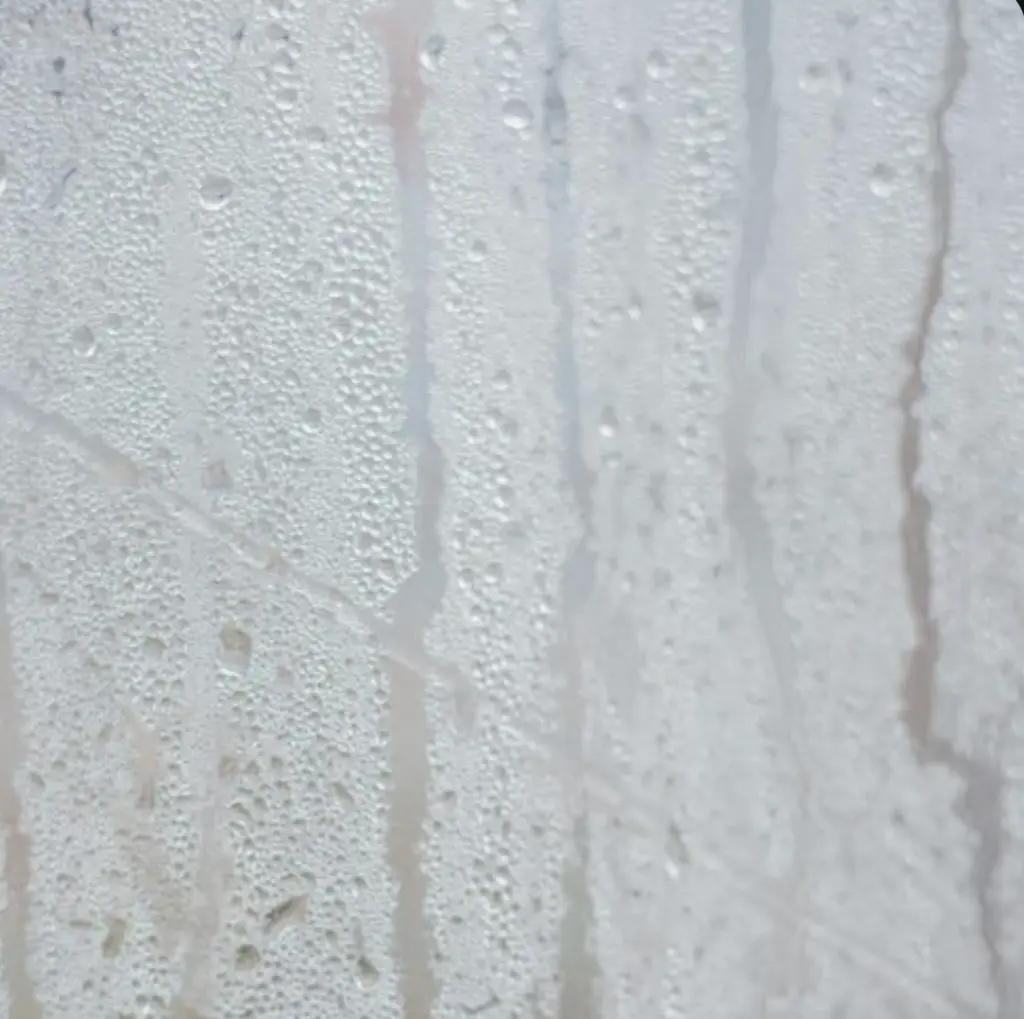
Relative humidity (RH) is the key measurement in dehumidification management. Mold requires moisture to grow — most mold species are suppressed when RH is maintained below 50 percent. Flood Department technicians measure and record RH levels in the drying environment daily using calibrated thermo-hygrometers, with the goal of maintaining conditions that promote material drying while staying below the mold-growth threshold.
Daily RH readings are logged in your drying report and provided to your insurance carrier as evidence of proper dehumidification management throughout the project.
How Dehumidification Prevents Mold
Mold spores require three things to grow: a food source (organic building materials), a temperature range (most mold species are active between 40 and 100 degrees Fahrenheit), and moisture — specifically, relative humidity above approximately 60 percent or materials with elevated moisture content.
By controlling RH with commercial dehumidification equipment and reducing it well below the mold-growth threshold, Flood Department removes one of the three necessary conditions for mold, dramatically reducing the risk of mold colonization during and after the drying process.
Residential and Commercial Applications
We provide dehumidification services for residential properties of all sizes, including single-family homes, condominiums, townhouses, and multi-family buildings. For commercial clients, we scale our equipment deployment to match the volume of the space — office buildings, warehouses, retail centers, restaurants, schools, and large commercial facilities all require substantially more dehumidification capacity than residential properties.
Continuous Overnight Monitoring
Our equipment runs 24 hours a day during active drying. While Flood Department technicians visit daily during business hours to take readings and adjust equipment, our drying systems operate continuously, including overnight and on weekends. For large commercial losses or situations requiring close oversight, we offer continuous or enhanced monitoring programs.
Dehumidification Process: Step by Step
Arrival and humidity assessment
technicians measure ambient RH and moisture load to determine equipment requirements.
Unit deployment
LGR and/or desiccant dehumidifiers are placed based on space size and conditions.
Daily RH monitoring
relative humidity is measured and logged every day until targets are met.
Equipment adjustment
unit count and placement are refined based on daily readings.
Mold threshold verification
RH is confirmed stable below 50 percent before equipment removal.
Documentation handoff
complete humidity logs are provided for insurance and project closeout.

Insurance Billing and Documentation
Flood Department works directly with all major insurance carriers and uses Xactimate-aligned pricing, the industry standard used by adjusters. We document the damage thoroughly from day one, provide drying logs and moisture mapping, and handle direct insurance billing so you can focus on your family and business instead of paperwork.
Related Water Services
Water Damage Restoration
Full-service water damage restoration across central Maryland.
Structural Drying Services
Industrial air movers and dehumidifiers dry structures to IICRC standards.
Emergency Water Extraction
24/7 emergency water removal with professional extraction equipment.
Flood Damage Remediation
Complete remediation for storm, sewer, and flood water losses.
Service Areas
Restoration services throughout five Maryland counties.
Contact Us
Available Now
Frequently Asked Questions
How long does dehumidification take after flooding?
Dehumidification runs continuously throughout the entire structural drying period, which typically ranges from 3 to 7 days for standard residential losses and up to 10 to 14 days for more significant events. Dehumidifiers are not removed until moisture readings across all affected materials meet IICRC target ranges and ambient RH in the space is stable below 50 percent.
What humidity level is safe after water damage?
The target relative humidity for a restored space is below 50 percent, which is the threshold below which most mold species cannot actively grow. During the drying process, we work to bring RH down from potentially very high post-flood levels (80 to 100 percent in enclosed spaces) to below 50 percent as quickly as possible, and maintain it there until drying is confirmed complete.
Can I use my own dehumidifier instead of renting professional units?
Standard residential dehumidifiers are not sufficient for post-flood structural drying. A typical home dehumidifier removes 15 to 20 liters of moisture per day, while a commercial LGR unit removes 30 to 100+ liters per day. After a water damage event, the moisture load in structural materials and air far exceeds what residential equipment can handle in any reasonable timeframe — leading to prolonged wet conditions, increased mold risk, and greater damage to the structure.
How many dehumidification units do you deploy?
The number of units deployed is calculated based on the size of the affected area, the volume of moisture present, ambient temperature and humidity, and the types of materials that need to be dried. Flood Department uses IICRC S500 guidance to determine the correct equipment quantity, ensuring that drying is efficient without over-drying or prolonging the project unnecessarily.
Do you monitor equipment overnight?
Our drying equipment runs continuously, 24 hours a day. Flood Department technicians perform in-person monitoring visits daily and maintain drying logs that track RH and moisture readings over time. For projects requiring more intensive oversight, we offer enhanced monitoring arrangements. We also ask our clients to contact us immediately if they notice any equipment issues, unusual odors, or visible changes in the drying areas overnight.
What Our Customer Reviews Say
Real reviews from Maryland homeowners and businesses who trusted Flood Department with their restoration.
Years serving Maryland homeowners and businesses since July 2009.
24/7
Emergency response every day of the year — nights, weekends, and holidays.
Cities and communities served across central Maryland from two local offices.
IICRC
Certified technicians trained and tested to the highest industry standards.
Don't Wait — Call Flood Department Now.
Trust Flood Department for professional dehumidification and complete water damage drying. Call us any time: (301) 829-2600. IICRC-certified | 24/7/365 | Serving all of central Maryland. Our certified technicians are standing by right now across Frederick, Montgomery, Howard, Baltimore, and Carroll County.
contactus@flooddept.com | Available 24/7/365