Professional Mold Inspection in Maryland
- IICRC Certified
- 24/7/365 Response
- Insurance Billing
- Since 2009
Get A Free Quote
Professional Mold Inspection in Maryland | Flood Department
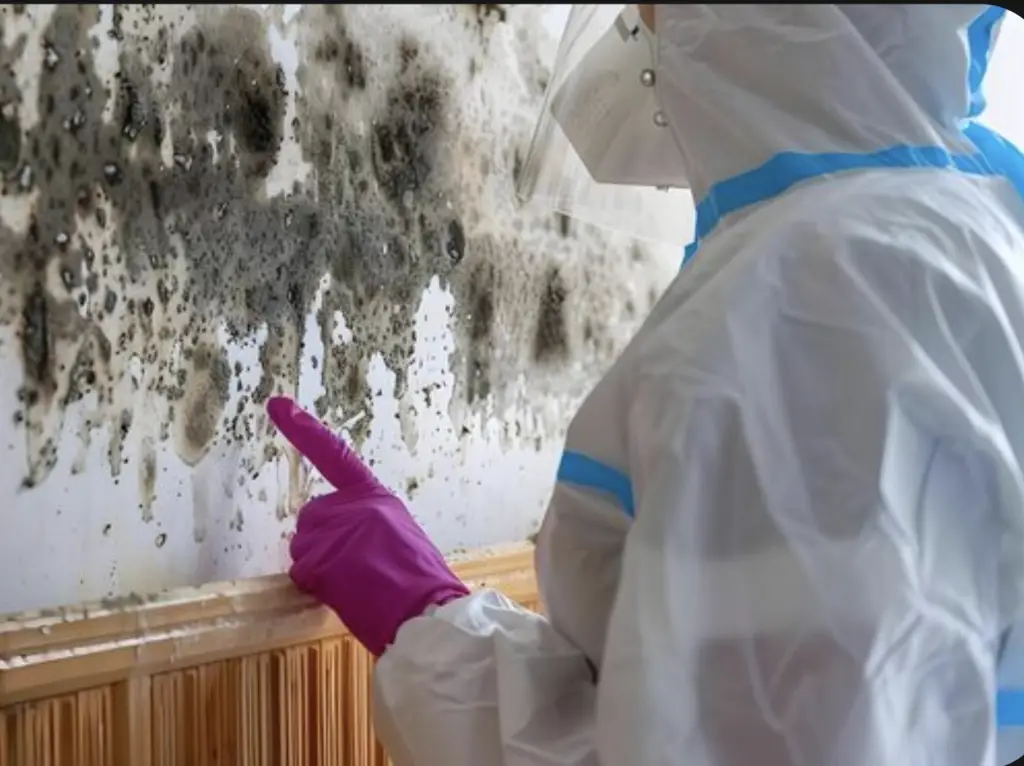
Mold is not always visible. Some of the most serious mold problems in Maryland homes and businesses develop inside wall cavities, beneath flooring, in crawlspaces, and in attic spaces — areas where moisture accumulates undetected for months. Flood Department provides professional mold inspection services across Frederick, Montgomery, Howard, Baltimore, and Carroll Counties using advanced tools including moisture meters, thermal imaging cameras, and air quality sampling. Our certified inspectors produce detailed written reports that identify all areas of concern, quantify moisture levels, and recommend a clear remediation plan — giving you the information you need to act decisively.
Visual Inspection Process
Every mold inspection begins with a thorough visual examination of the property. Our inspector systematically examines all accessible areas including basements, crawlspaces, attics, bathrooms, kitchens, laundry areas, and any space with a history of water intrusion. Inspectors look for visible mold growth, surface staining, efflorescence, paint bubbling, warped materials, and any other indication of current or past moisture problems.
Moisture Mapping
Moisture mapping is the process of using calibrated moisture meters to measure the moisture content of building materials throughout the property. Every reading is recorded and plotted against a floor plan to create a visual map showing where elevated moisture levels exist. This data is essential for identifying areas at highest risk for mold growth and for confirming that drying protocols have been effective after a water damage event. Moisture content above 16% in wood or 1% in gypsum board indicates conditions favorable for mold growth.
Thermal Imaging for Hidden Mold
Thermal imaging cameras detect temperature differentials in building materials that indicate moisture presence. Because evaporating moisture cools the surface it is in contact with, areas of elevated moisture appear as cooler zones in infrared images. This technology allows our inspectors to identify hidden moisture and potential mold growth behind walls, above ceilings, and beneath flooring without destructive investigation. When thermal imaging identifies a suspect area, targeted moisture measurements and air sampling confirm whether active mold colonization is present.
Signs of Mold to Watch For
Common indicators that warrant a professional mold inspection:
Common indicators that warrant a professional mold inspection:
Common indicators that warrant a professional mold inspection:
A persistent musty or earthy odor that does not resolve with ventilation
A persistent musty or earthy odor that does not resolve with ventilation
Visible dark, green, or black staining on walls, ceilings, or grout
Visible dark, green, or black staining on walls, ceilings, or grout
Peeling, bubbling, or warping of paint, wallpaper, or flooring
Peeling, bubbling, or warping of paint, wallpaper, or flooring
Respiratory symptoms, allergy-like reactions, or headaches that improve when you leave the building
Respiratory symptoms, allergy-like reactions, or headaches that improve when you leave the building
A recent history of water damage, flooding, or plumbing leaks
A recent history of water damage, flooding, or plumbing leaks
Condensation regularly appearing on windows, walls, or pipes
Condensation regularly appearing on windows, walls, or pipes
What an Inspection Report Covers
At the conclusion of the inspection, Flood Department provides a written report documenting all identified areas of concern, moisture meter readings, thermal imaging findings, air and surface sampling results (when conducted), photographs of all problem areas, and a prioritized summary of recommended next steps. This report serves as the foundation for a remediation scope and as documentation for your insurance carrier or real estate transaction.
What Happens After the Inspection
If the inspection identifies active mold growth or conditions requiring remediation, Flood Department can transition directly to the remediation phase. Our team provides a written remediation scope and cost estimate based on the inspection findings, and coordinates directly with your insurance adjuster to document and submit the claim. Post-remediation, a third-party inspector conducts clearance testing to verify the work has been completed to S520 standards.

Insurance Billing and Documentation
Flood Department works directly with all major insurance carriers and uses Xactimate-aligned pricing. We document mold and moisture damage thoroughly from day one, provide inspection reports and remediation logs, and handle direct insurance billing so you can focus on recovery instead of paperwork.
Related Mold Services
Mold Damage Restoration
Full-service mold damage restoration across central Maryland.
Mold Remediation Services
IICRC S520-certified mold remediation with containment and clearance testing.
Mold Removal Services
Safe mold removal with full containment, PPE, and post-removal air quality testing.
Water Damage Restoration
Water damage restoration to stop moisture before mold spreads.
Montgomery County Mold Inspection
Mold inspection services in Montgomery County.
Frederick County Mold Inspection
Mold inspection services in Frederick County.
Contact Us
Available Now
Frequently Asked Questions
What happens during a professional mold inspection?
A Flood Department mold inspection includes a systematic visual examination of all accessible areas of the property, moisture mapping using calibrated meters to identify elevated moisture in building materials, thermal imaging to detect hidden moisture behind walls and ceilings, and air or surface sampling when indicated. You receive a written report with findings, photographs, moisture readings, and a clear set of recommended next steps.
How do I know if I have hidden mold I can't see?
Hidden mold is often indicated by a persistent musty odor without visible growth, unexplained allergy or respiratory symptoms that improve when you leave the building, a history of water damage that was not fully dried, or elevated moisture readings in building materials. Thermal imaging and moisture mapping during a professional inspection can locate hidden moisture and identify areas of concern without tearing into walls.
Should I get a mold inspection after any water damage event?
Yes. Any water damage event that was not fully dried within 72 hours — including floods, pipe bursts, appliance leaks, or roof intrusion — creates conditions favorable for mold growth. Even when visible mold is not present, elevated moisture in wall cavities or subfloor materials can sustain hidden mold growth. A professional inspection after water damage events provides documentation for your insurance claim and confirms that conditions for mold growth have been addressed.
How long does a mold inspection take?
A standard mold inspection of a typical residential property takes 1 to 3 hours depending on the size of the home and the number of areas requiring detailed evaluation. Properties with complex layouts, significant water damage history, or suspected extensive hidden mold may require additional time. Laboratory analysis of air and surface samples, when conducted, typically returns results within 2 to 5 business days.
What is moisture mapping and why does it matter?
Moisture mapping is the systematic measurement of moisture content in building materials throughout a property, recorded and plotted on a floor plan. It identifies where elevated moisture exists — even when surfaces appear dry to the eye — so that the full extent of water intrusion can be understood before remediation begins. Moisture mapping also confirms that drying protocols have been effective and that conditions for mold growth have been eliminated before a project is closed.
What Our Customer Reviews Say
Real reviews from Maryland homeowners and businesses who trusted Flood Department with their restoration.
Years serving Maryland homeowners and businesses since July 2009.
24/7
Emergency response every day of the year — nights, weekends, and holidays.
Cities and communities served across central Maryland from two local offices.
IICRC
Certified technicians trained and tested to the highest industry standards.
Don't Wait — Call Flood Department Now.
Concerned about mold in your Maryland home or business? Call Flood Department at (301) 829-2600 to schedule a professional mold inspection. We serve Frederick, Montgomery, Howard, Baltimore, and Carroll Counties, 24/7/365. Our certified technicians are standing by right now across Frederick, Montgomery, Howard, Baltimore, and Carroll County.
contactus@flooddept.com | Available 24/7/365