Leak Detection in Maryland
- IICRC Certified
- 24/7/365 Response
- Insurance Billing
- Since 2009
Get A Free Quote
Leak Detection Services in Maryland | Flood Department
A hidden water leak can cause thousands of dollars of structural damage long before it becomes visible. Moisture behind walls, beneath floors, and inside ceiling assemblies silently saturates framing, insulation, and drywall, creating the perfect conditions for mold growth and structural deterioration. Flood Department provides professional leak detection services using thermal imaging, moisture meters, and acoustic detection technology to locate the source of hidden water intrusion — without unnecessary demolition — throughout Frederick, Montgomery, Howard, Baltimore, and Carroll Counties, Maryland.
Hidden Leaks: The Silent Threat
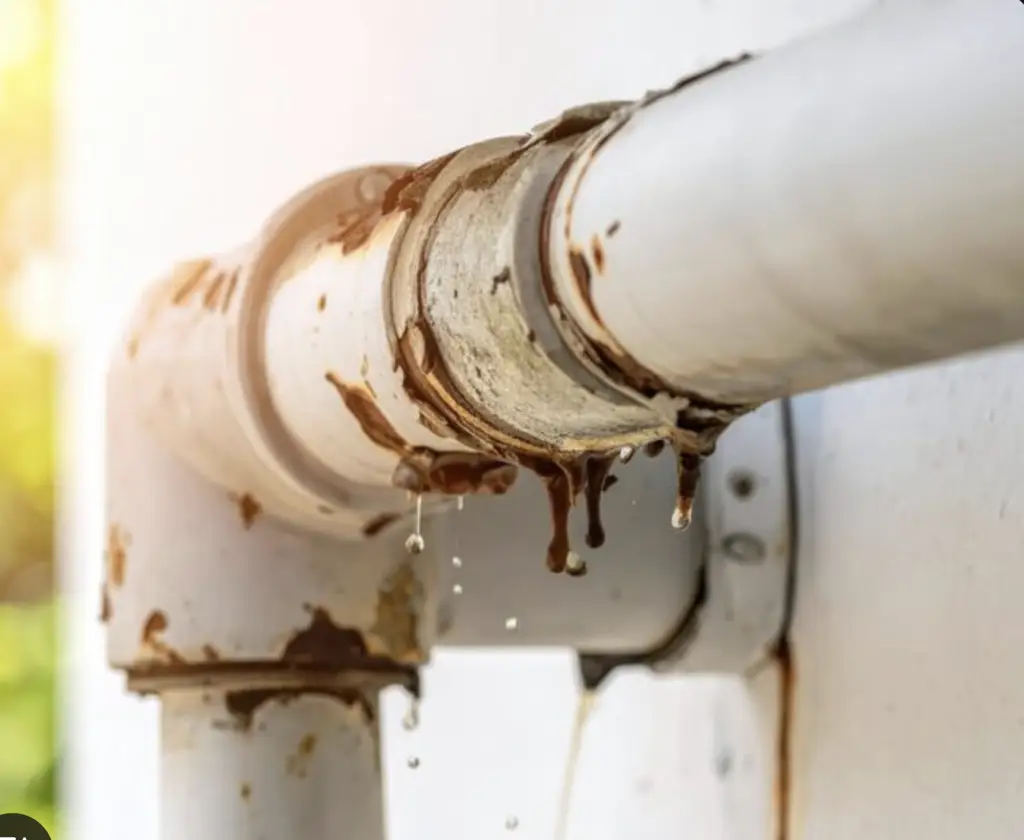
Not all water damage announces itself with a dramatic flood. Many of the most destructive water losses start as small, slow leaks that go undetected for weeks or months. Pinhole leaks in supply lines, failed pipe fittings inside wall cavities, leaking shower pans beneath tile, and slow roof leaks above insulation can all cause extensive damage that only becomes visible after mold growth, structural failure, or a sudden escalation of the leak.
Professional leak detection identifies the source and extent of the problem early, before extensive damage has occurred — or before a restoration project begins and the actual source of moisture is still active. Finding the leak before restoration starts is essential: drying a structure while a leak is still active is both ineffective and wasteful.
Leak Detection Tools and Technology
Flood Department uses a multi-tool approach to leak detection, selecting the right technology for the suspected type and location of the leak:
Thermal imaging cameras
infrared cameras detect temperature differentials caused by moisture in wall cavities, ceiling assemblies, and beneath flooring. Wet materials cool differently than dry materials, making them visible as distinct zones in a thermal scan. Thermal imaging is non-destructive and allows broad-area scanning in minutes.
Pin and pinless moisture meters
after thermal imaging identifies a suspected moisture zone, calibrated moisture meters confirm the presence and quantify the moisture content of the material. Pin meters insert small probes into the material for direct reading; pinless meters use electromagnetic signals to detect moisture without penetration.
Acoustic listening devices
specialized acoustic sensors amplify the sound of pressurized water escaping from a pipe, allowing technicians to narrow down a leak location within a wall or beneath a slab without opening large sections. Acoustic detection is particularly effective for pressurized supply line leaks.
Borescopes and inspection cameras
where a small access point already exists or can be created, a borescope camera allows direct visual inspection inside wall cavities, crawl spaces, and above drop ceilings without major demolition.
Finding the Source Before Restoration Starts
Flood Department strongly recommends leak detection as part of the initial assessment for any water damage project where the source of moisture is not fully confirmed. Attempting to dry a building without locating and eliminating an active leak is counterproductive — the leak continues to introduce moisture, drying times extend indefinitely, and the overall damage and cost increase substantially.
Our leak detection process identifies both the source (where water is entering) and the pathway (how it has migrated through the structure), giving us the complete picture needed to develop an accurate drying plan and prevent recurrence.

Why Detection Prevents Bigger Damage
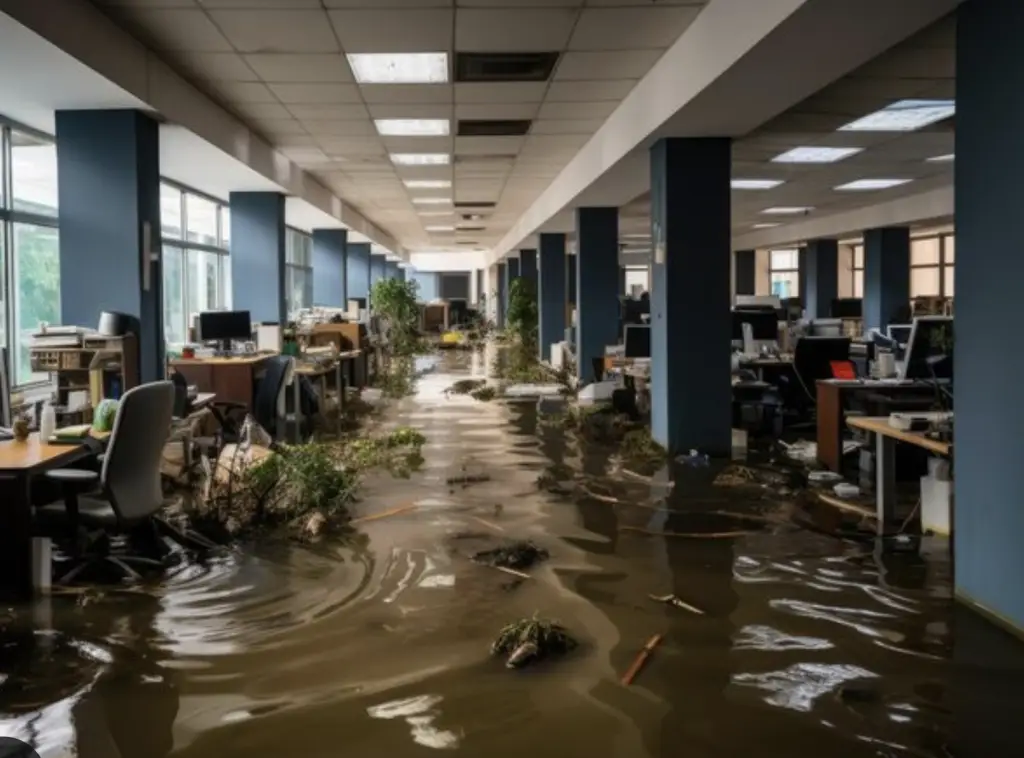
The cost of a professional leak detection visit is small compared to the cost of the damage an undetected leak causes over time. A slow supply line leak that runs inside a wall for 60 days before discovery can saturate framing, destroy insulation, delaminate drywall, and cultivate a significant mold colony.
Early detection eliminates the ongoing moisture source and limits the scope of restoration to what has already occurred, rather than to an ever-expanding area of damage. Property owners who notice warning signs — unexplained increases in water bills, musty odors, soft spots in walls or floors, or visible staining without an obvious source — should call Flood Department for a leak detection assessment before the situation worsens.
Residential and Commercial Leak Detection
We provide leak detection services for residential and commercial properties throughout our Maryland service area. Residential services include checking supply lines, drain lines, slab leaks, shower pan failures, roof and flashing intrusions, and HVAC condensate systems. Commercial services extend to larger-scale plumbing systems, flat roofs, below-grade waterproofing failures, fire suppression system leaks, and cooling tower or HVAC-related moisture issues.
Leak Detection Process: Step by Step
Arrival and initial inspection
technicians assess the property and review symptoms and suspected leak locations.
Non-destructive scanning
thermal imaging and moisture meters map suspected moisture zones.
Acoustic and targeted testing
listening devices and borescope cameras narrow the leak source.
Source confirmation
findings are verified and the leak pathway is documented.
Moisture mapping report
a complete report of source, extent, and migration is prepared.
Restoration planning
confirmed findings drive the drying and repair plan before work begins.

Insurance Billing and Documentation
Flood Department works directly with all major insurance carriers and uses Xactimate-aligned pricing, the industry standard used by adjusters. We document the damage thoroughly from day one, provide drying logs and moisture mapping, and handle direct insurance billing so you can focus on your family and business instead of paperwork.
Related Water Services
Water Damage Restoration
Full-service water damage restoration across central Maryland.
Thermal Imaging Services
Infrared cameras detect hidden moisture non-destructively.
Structural Drying Services
Industrial air movers and dehumidifiers dry structures to IICRC standards.
Emergency Water Extraction
24/7 emergency water removal with professional extraction equipment.
Service Areas
Restoration services throughout five Maryland counties.
Contact Us
Available Now
Frequently Asked Questions
How do you detect a hidden water leak without breaking walls?
Flood Department uses a combination of thermal imaging cameras, moisture meters, and acoustic listening devices to locate hidden leaks non-destructively. Thermal cameras identify temperature anomalies caused by wet materials; moisture meters confirm and quantify moisture content; and acoustic sensors detect the sound of pressurized water escaping from pipes. In many cases, we can pinpoint a leak location to within a few inches without any demolition.
What tools are used for professional leak detection?
Our primary leak detection tools include infrared thermal imaging cameras (for non-contact, broad-area moisture mapping), calibrated pin and pinless moisture meters (for material moisture content confirmation), acoustic listening devices (for pressurized pipe leak location), and borescope inspection cameras (for direct visual inspection through minimal access points). We select the appropriate combination based on the type and suspected location of the leak.
What causes hidden water leaks in homes?
The most common sources of hidden water leaks in residential properties include pinhole leaks and corrosion in copper and galvanized supply lines inside walls, failed pipe fittings and joint connections, leaking shower pans and waterproofing beneath tile, deteriorated roof flashing around penetrations and valleys, condensate drain overflow from HVAC air handlers, and slow slab leaks in concrete slab-on-grade foundations.
How much does professional leak detection cost?
The cost of a professional leak detection assessment varies depending on the scope of investigation, the size of the property, and the tools required. Flood Department provides transparent pricing before work begins. In many cases where a water damage claim is already open, leak detection is incorporated into the overall restoration scope and billed through your insurance carrier. Contact us at (301) 829-2600 to discuss your specific situation and get a clear estimate.
What happens after a leak is detected?
Once the leak source is confirmed, Flood Department provides a clear report of findings — including the location, likely cause, and extent of moisture migration. If plumbing repairs are needed, we coordinate with licensed plumbers to ensure the source is permanently repaired before restoration begins. We then develop a drying and restoration plan based on the confirmed moisture map, deploy appropriate drying equipment, and manage the full restoration process through to completion, including insurance documentation and billing.
What Our Customer Reviews Say
Real reviews from Maryland homeowners and businesses who trusted Flood Department with their restoration.
Years serving Maryland homeowners and businesses since July 2009.
24/7
Emergency response every day of the year — nights, weekends, and holidays.
Cities and communities served across central Maryland from two local offices.
IICRC
Certified technicians trained and tested to the highest industry standards.

Don't Wait — Call Flood Department Now.
Suspect a hidden leak in your home or business? Do not wait for the damage to grow. Call Flood Department: (301) 829-2600. Professional leak detection — IICRC-certified — available 24/7/365 — serving Frederick, Montgomery, Howard, Baltimore & Carroll Counties, Maryland. Our certified technicians are standing by right now across Frederick, Montgomery, Howard, Baltimore, and Carroll County.
contactus@flooddept.com | Available 24/7/365